Solo Female Travel Safety: The Idea Behind Safety Spots
A mission to provide women safety resources
By Jolea | Airstreaming.life





This blog post contains affiliate links, which means we may earn a small commission at no additional cost to you if you make a purchase through these links. Your support helps keep our content free and allows us to continue sharing valuable tips and resources for your RV adventures. Thank you for supporting us!
Safety Spots: Helping Women Feel More Prepared to Travel Solo
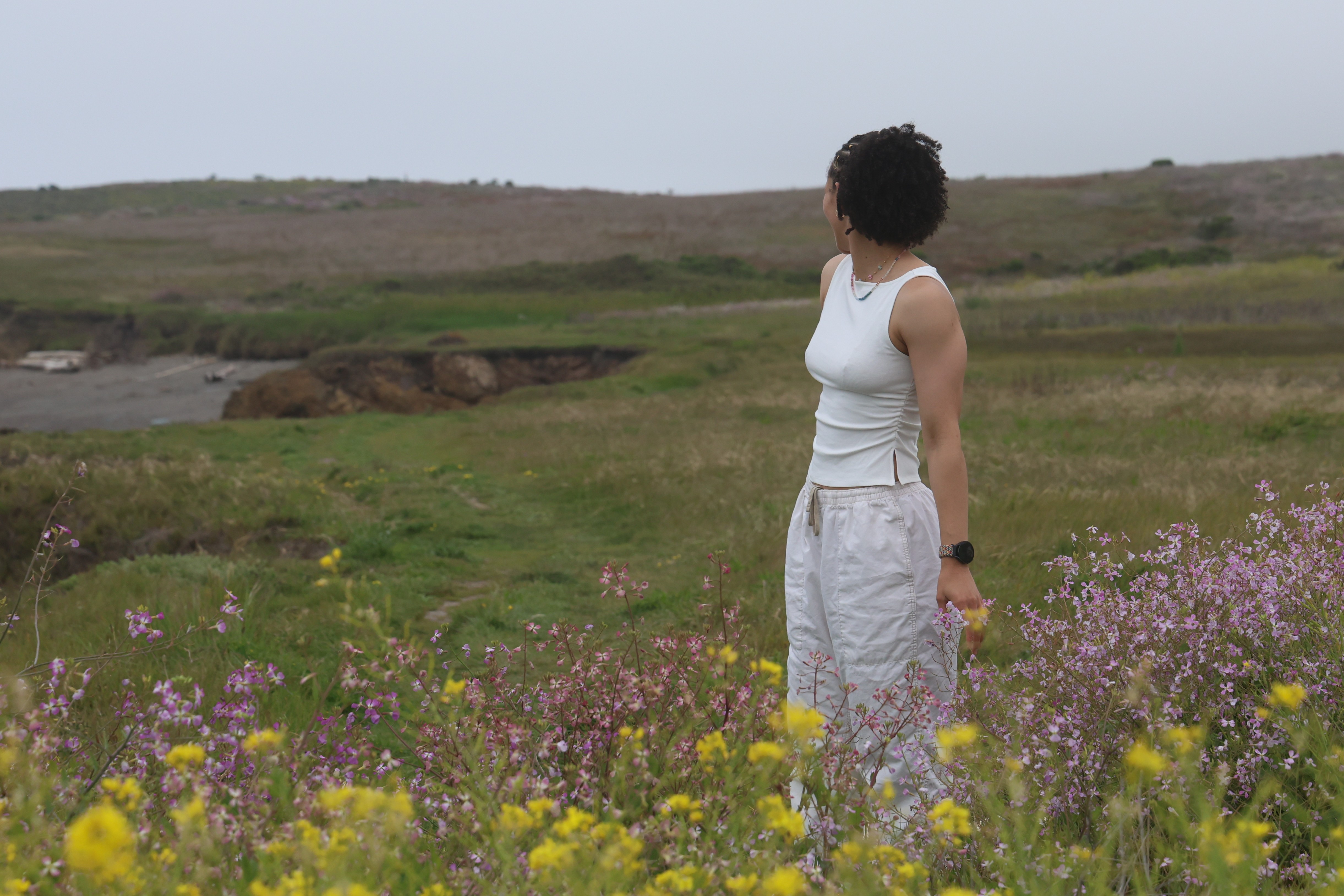
Traveling alone should leave room for curiosity, independence, and excitement. But planning a solo trip can also come with a second itinerary. That is, the questions about safety.
Where will I stay? What will the area feel like after dark? Will I have phone service? Who could I call if something goes wrong? And how do I decide whether a place is right for me when the reviews mostly talk about the views?
I asked myself those questions almost everyday anytime I was traveling solo, but those questions deserve more than “just be careful.”
That is the idea behind Safety Spots--making room for honest conversations and practical information about the concerns women face when traveling alone. I want to bring together travel safety tips, location guides, essentials, and self-defense resources that help women make informed decisions; without making fear the center of every adventure.
The Questions Behind a Solo Trip
Safety is not one question with one answer. It is a collection of decisions about where to go, how to get there, whom to trust, and what options you have if your plans change.
For women traveling solo, some of those questions involve unwanted attention, harassment, or the possibility of violence. Others are practical. Getting sick alone, dealing with a vehicle breakdown, arriving somewhere unfamiliar at night, or needing help where phone service is unreliable. Official travel guidance addresses both women-specific concerns and broader issues such as transportation, emergency contacts, and limited connectivity.
Not every concern means a destination is dangerous. But each deserves information that helps you decide what feels manageable for your trip.
“Will someone respect my boundaries?”
A conversation can be friendly until someone keeps asking where you are staying, whether you are alone, or why you will not spend time with them.
You might wonder how to end the interaction without making it worse or whether you are overreacting by wanting to leave.
You do not owe a stranger details about your itinerary or an explanation for declining an invitation. As a woman traveling solo, recognizing the importance of setting boundaries rather than feeling obligated to be polite when someone’s attention is unwanted is one of the best ways to help yourself.
The goal is not to treat every new person as a threat. It is to leave room for connection without giving up your privacy or your ability to say no.
“What will it be like when I arrive?”
Booking a place and arriving there are two different experiences.
Before choosing a campground, RV park, or other accommodation, useful questions include:
- Is someone available if I arrive late?
- What is the check-in process?
- How far is my site or room from staff or other guests?
- What security measures are actually in place?
- If I decide not to stay, what is my backup?
The U.S. Department of State recommends researching lodging, reviewing safety measures, booking ahead, and having alternatives if you need to change locations. Those are useful starting points for evaluating a stay, but not a guarantee that any property will be safe.
In fact, October 2026 my best friend went to a wedding in Spain and booked a hotel for her and her friend. After they were already settled into their rooms, the hotel owner knocks on their room door and kicks them out; leaving 2 women without a safe place to stay. You can read the full story here.
For Safety Spots, I want location information to go beyond whether a place is beautiful. I want it to help answer the questions that matter when you are the person arriving alone or a group of women.
“What happens if I need help?”
Personal safety is not only about encounters with other people.
An illness, injury, dead phone, or unexpected problem can also change a trip. In a remote area, limited cell coverage can make getting help more difficult. Outdoor safety guidance recommends sharing your plans, knowing emergency contact information, planning for poor connectivity, and carrying supplies appropriate to the activity.
Before heading somewhere unfamiliar, consider:
- Who knows where you are going?
- When will they expect to hear from you?
- What should they do if you miss that check-in?
- What information can you access without a connection?
- Where could you go for assistance?
A plan does not have to account for every possible emergency. It should give you a starting point if the day stops going as expected.
Why “Is It Safe?” Is Hard to Answer
“Is this a safe place for a woman traveling alone?”
It is an understandable question, but a yes-or-no answer leaves a lot out.
A glowing review might describe a welcoming host without mentioning the late-arrival process. A beautiful campsite photo cannot tell you whether there is reliable communication or how far away help might be. Even official lodging guidance asks travelers to consider several separate factors, including location, security features, locks, emergency exits, and access to services.
That is why I want Safety Spots to focus on specific details rather than blanket promises.
Instead of simply calling somewhere “safe,” a useful guide should explain what is known, when the information was checked, and what a traveler may still need to confirm.
One person’s positive experience can be helpful. It should be a starting point for your research, not a promise about your own stay.
What I Want my blog & Safety Spots to Offer
My goal is to make safety information easier to find and easier to use across four connected areas.
1. Location guides with practical details
Places to visit and stay, with attention to the questions a solo traveler may want answered before arriving: check-in arrangements, staffing, transportation, communication, nearby assistance, and backup options.
I want these guides to explain why a location may suit a particular trip, not label it risk-free.
2. Travel safety tips for everyday decisions
Practical planning for the moments between the highlights: choosing transportation, protecting accommodation details, sharing an itinerary with a trusted person, and knowing where to seek help. These are also recurring themes in official guidance for women travelers.
3. Essentials with a clear purpose
Packing advice should begin with the problem an item is meant to solve, not the pressure to buy more gear.
For outdoor trips, official guidance includes basics such as water, first-aid supplies, a flashlight or headlamp, navigation tools, food, and appropriate layers. The right list depends on the environment and activity.
My goal is to explain what an essential contributes, where it has limitations, and whether it fits the kind of travel you actually do.
4. Self-defense education without false promises
I want this part of my blog to explore boundary-setting, finding instruction, and questions to ask when choosing a self-defense class.
I do not want to present a written technique, a product, or a class as a guarantee of protection. The purpose of this coverage will be to support informed choices, not suggest that women must become expert fighters before they can travel.
Preparation Is Not Responsibility for Someone Else’s Actions
There is an important distinction between offering safety information and assigning blame.
Precautions can help you prepare. They cannot control another person’s behavior or eliminate every risk. As the State Department notes in its resources for victims of crime abroad, a person can take precautions and still become a victim through no fault of their own.
You do not have to earn the right to travel by making perfect decisions.
Safety Spots is not about judging women for where they go, what they wear, or what they did not anticipate. It is about making useful information more accessible.
More Information, More Room to Explore
I want women to find more than warnings when they research a solo trip or stop.
I want them to find clear details, realistic preparation, and honest conversations about the concerns that can be difficult to put into words.
That is what I want to build with Safety Spots: a place to explore travel safety tips, locations, essentials, and self-defense resources without losing sight of why we travel in the first place.
Not a promise that nothing will go wrong. A resource for making decisions with more information and more room for the adventure itself.
Comments
Related Articles
Travel & hiking tips, product reviews, and more!




Share this page
Recommended
Travel tips & tricks, travel guides and product reviews, and more!